Endoscopic Brow Lift in Bangkok
Eight Bangkok providers, with locations and practical questions about treatment plans and aftercare


DCH Hospital
Ramkhamhaeng Road, Saphan Sung, Bangkok
DCH Hospital on Ramkhamhaeng Road describes an Endoscopic Brow Lift service with Endotine and offers an initial photograph-based assessment before a medical consultation. A useful focus is the relationship between brow position and heaviness around the eyelids: whether repositioning the brow addresses the concern or an eyelid problem also needs assessment.
Front and side photographs, along with details of any previous eyelid surgery, can help explain your concerns. They do not replace an examination. At the consultation, discuss the proposed brow position with the face relaxed and distinguish the changes expected from brow lifting from those requiring a different treatment.

Wansiri Hospital
Rama III, Bang Kho Laem, Bangkok
Wansiri Hospital in the Rama III area describes endoscopic brow lifting with Endotine fixation through incisions around the hairline. Its published approach makes device selection and fixation placement useful consultation topics, particularly how they relate to the intended forehead and brow adjustment.
When comparing plans involving a fixation device, ask which model or type is proposed, where it will be placed and how discomfort or a palpable device would be assessed. The surgeon should explain limitations related to your tissues; a device name or advertised duration does not establish an individual outcome.
Kamol Hospital
Lat Phrao 94, Wang Thonglang, Bangkok
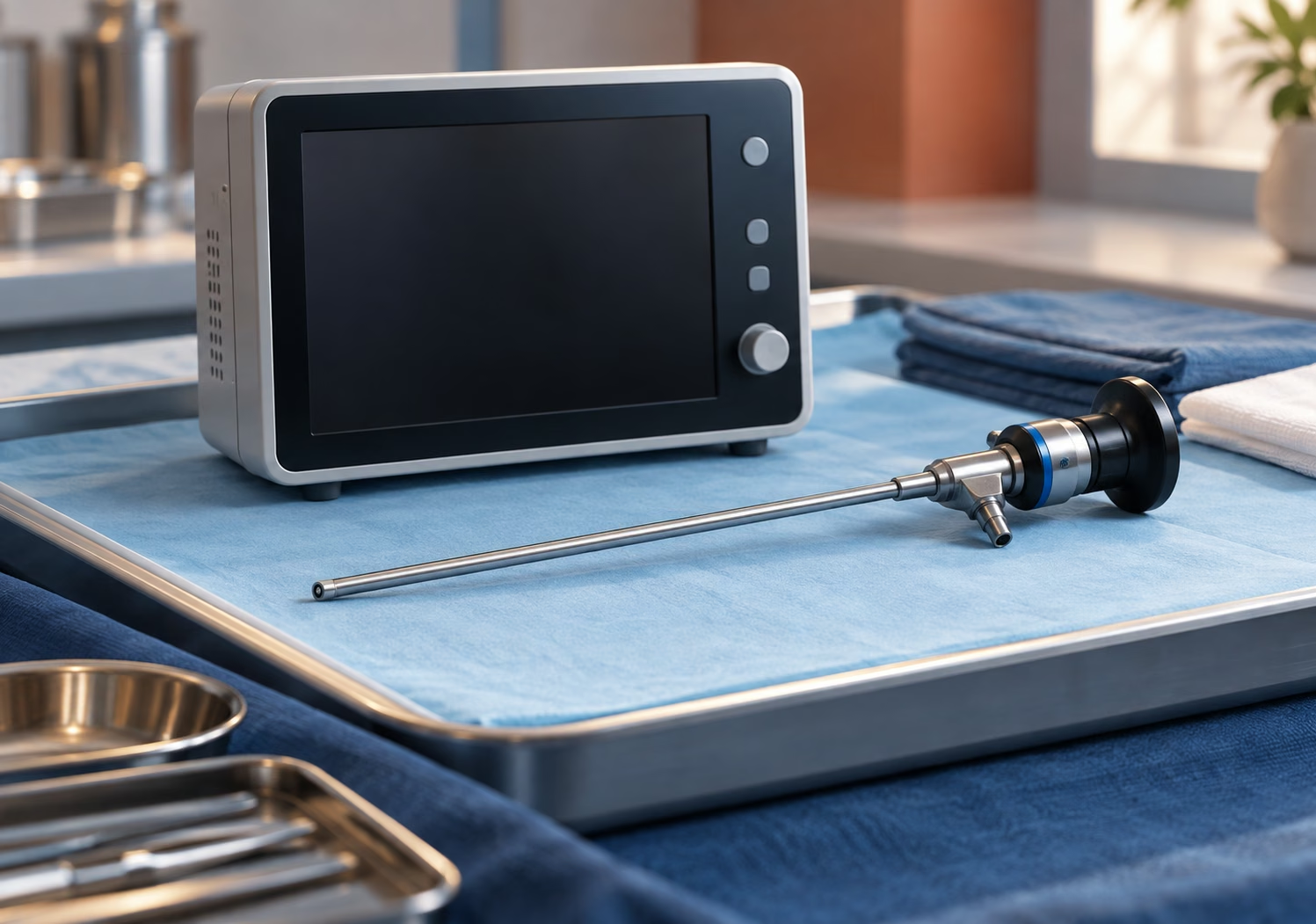
Kamol Hospital separates forehead and brow lifting into open, endoscopic, direct-brow and temporal approaches. This helps frame a location-specific discussion: whether the concern is mainly the outer brow or also involves the forehead, and how each approach may affect the hairline.
Its endoscopic procedure information specifies general anesthesia and a one-night hospital stay, which are useful planning details. If a high forehead or scar placement is a concern, compare incision locations across the available approaches and confirm the current stay and discharge plan for your individual assessment.
Yanhee Hospital
Charansanitwong Road, Bang Phlat, Bangkok
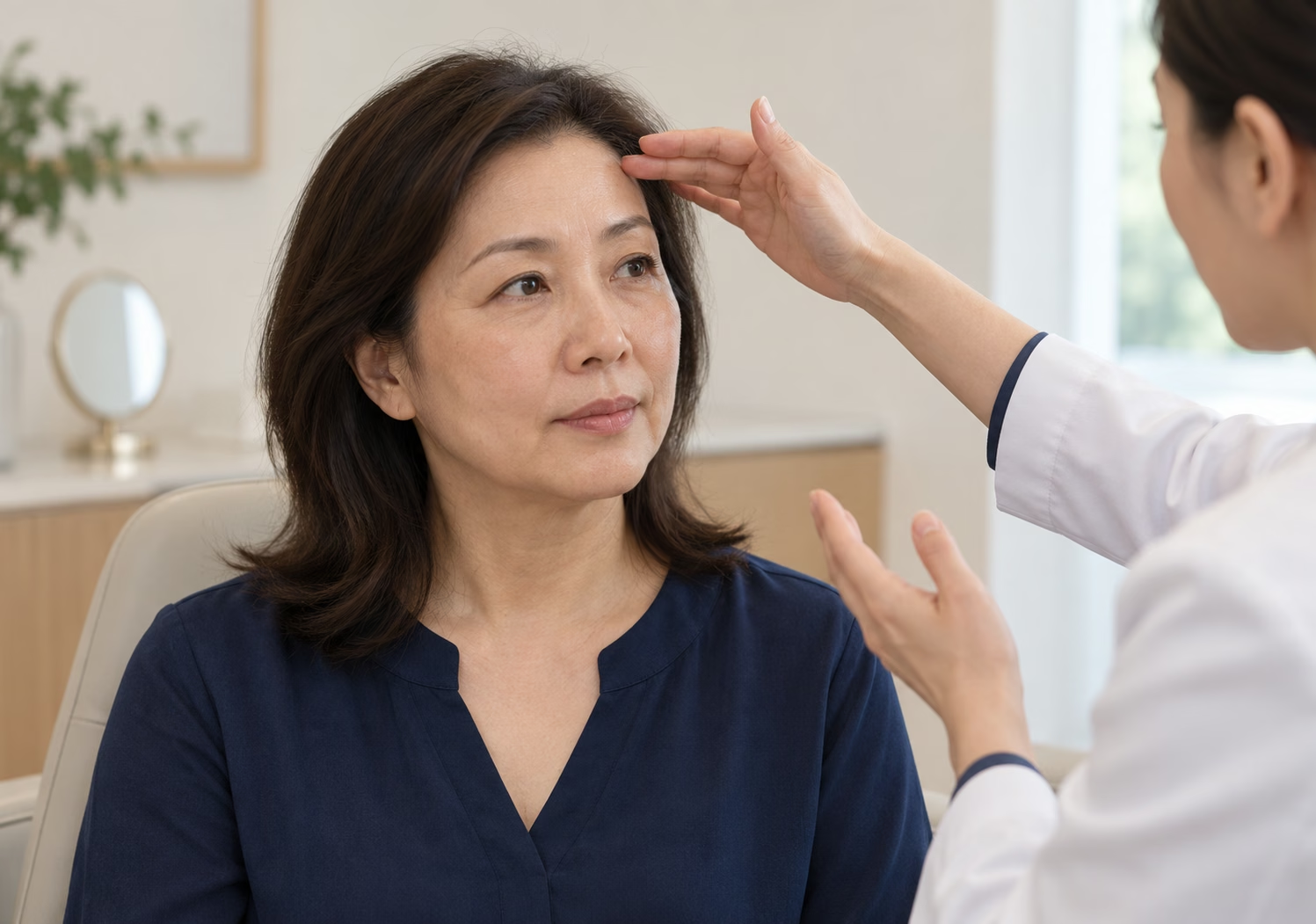
Yanhee Hospital describes endoscopic lifting across several regions, including the forehead and brows, midface, jawline and neck. This breadth makes it important to define the main concern: the term endoscopic facial lifting does not mean that every treatment plan covers all of these areas.
For a brow-lift consultation, ask the surgeon to identify the tissues included in your plan and whether the eye-area concern originates in the brow or eyelid. If additional areas are proposed, discuss the reason and their separate effect on recovery so that you can compare plans with equivalent scope.
Rattinan Clinic
Silom Soi 3, Bang Rak, Bangkok
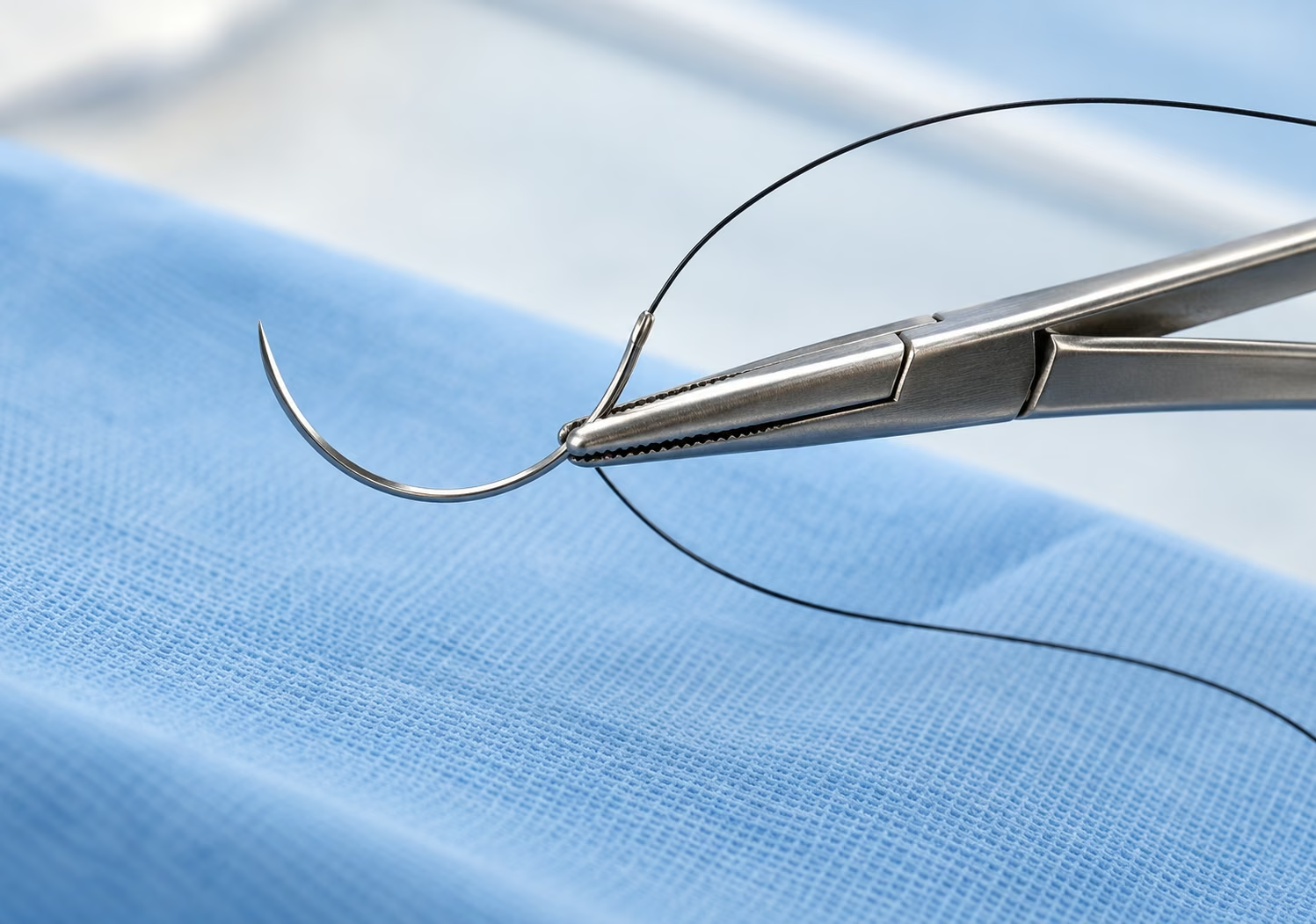
Rattinan Clinic in Silom publishes EBL information comparing suture fixation with Endotine. This offers a clear starting point for separating the camera-assisted surgical approach from the choice of material used to secure the tissues. They are distinct parts of the treatment plan.
Ask why the proposed fixation suits your tissue thickness and degree of laxity, and what its limitations are. Suture fixation within an operation should not be confused with a general thread-lift service. Request a plan naming both the operation and the fixation method rather than using a material-longevity claim as a prediction of your result.
Bangkok Hospital
Headquarters, Soi Soonvijai, Huai Khwang, Bangkok
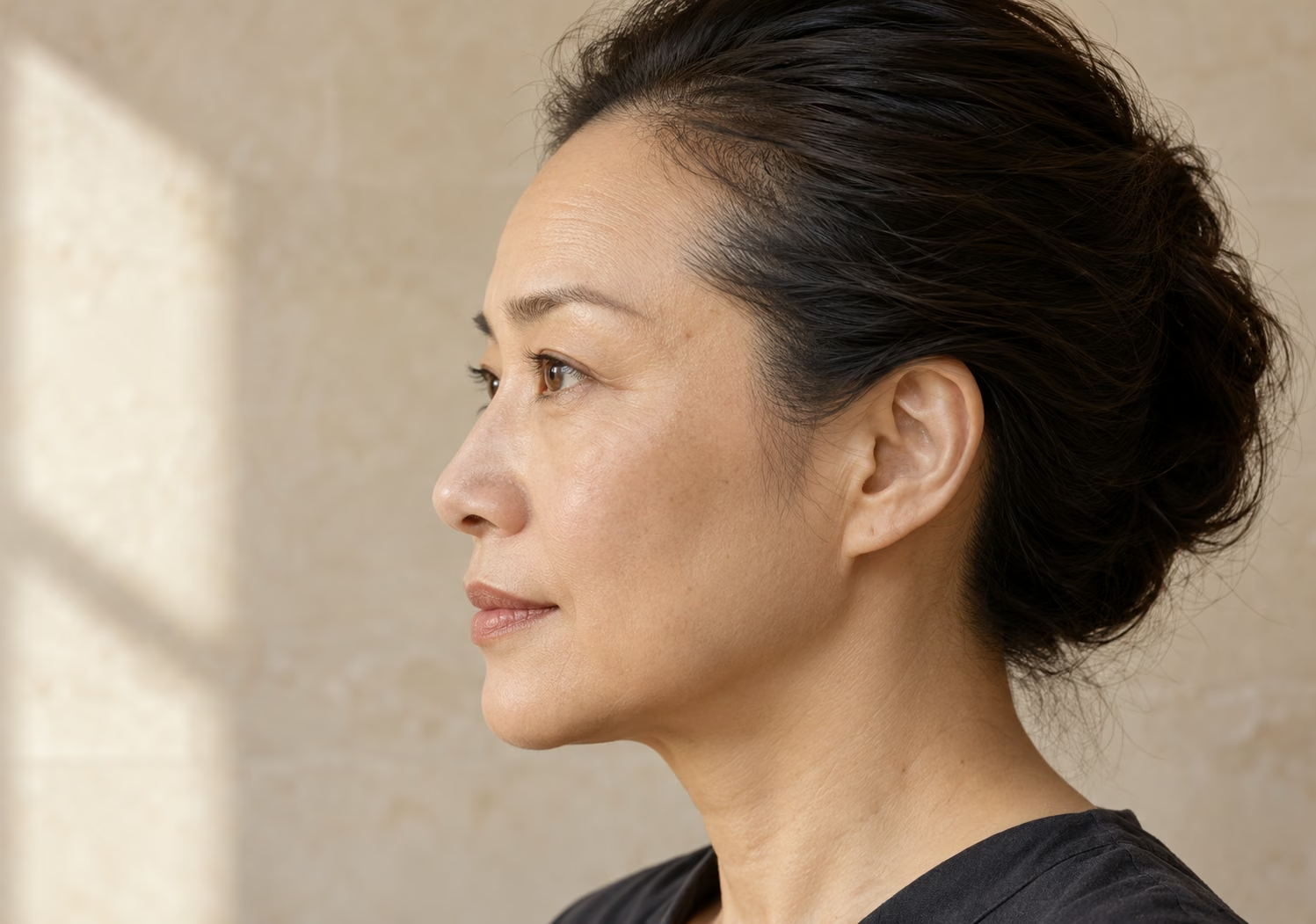
Bangkok Hospital headquarters in Soi Soonvijai describes endoscopic forehead and brow lifting with tissue repositioning and fixation through incisions behind the hairline. Its information also discusses limitations involving a high forehead, eyebrow tattoos above the natural brow and previous forehead augmentation.
If you have had forehead surgery or an implant, bring the previous treatment details for the surgical team to assess. Point out any existing asymmetry, since a brow lift may not make both sides identical. This entry concerns the Bangkok headquarters specifically, so confirm that the consultation is booked at that location.
Vejthani Hospital
Lat Phrao 111, Bang Kapi, Bangkok
Vejthani Hospital’s plastic surgery center on Lat Phrao 111 lists forehead lifting, while a separate hospital education article explains open and endoscopic techniques. Together they provide a starting point for researching approaches and incision placement, but the two sources establish different things.
The endoscopic explanation dates from 2017 and does not by itself confirm that the current team offers that operation for every case. Before booking, ask specifically whether a surgeon currently accepts endoscopic brow-lift consultations and which approach is available. Treat this as an option requiring further confirmation until that is established.
WIH Hospital
Debaratna Road, Bang Na, Bangkok
WIH Hospital in Bang Na compares endoscopic and coronal brow lifting, considering facial structure, skin quality and brow position when planning treatment. Incision extent and the possible effect on the hairline are useful comparison points, beyond judging a technique by incision size alone.
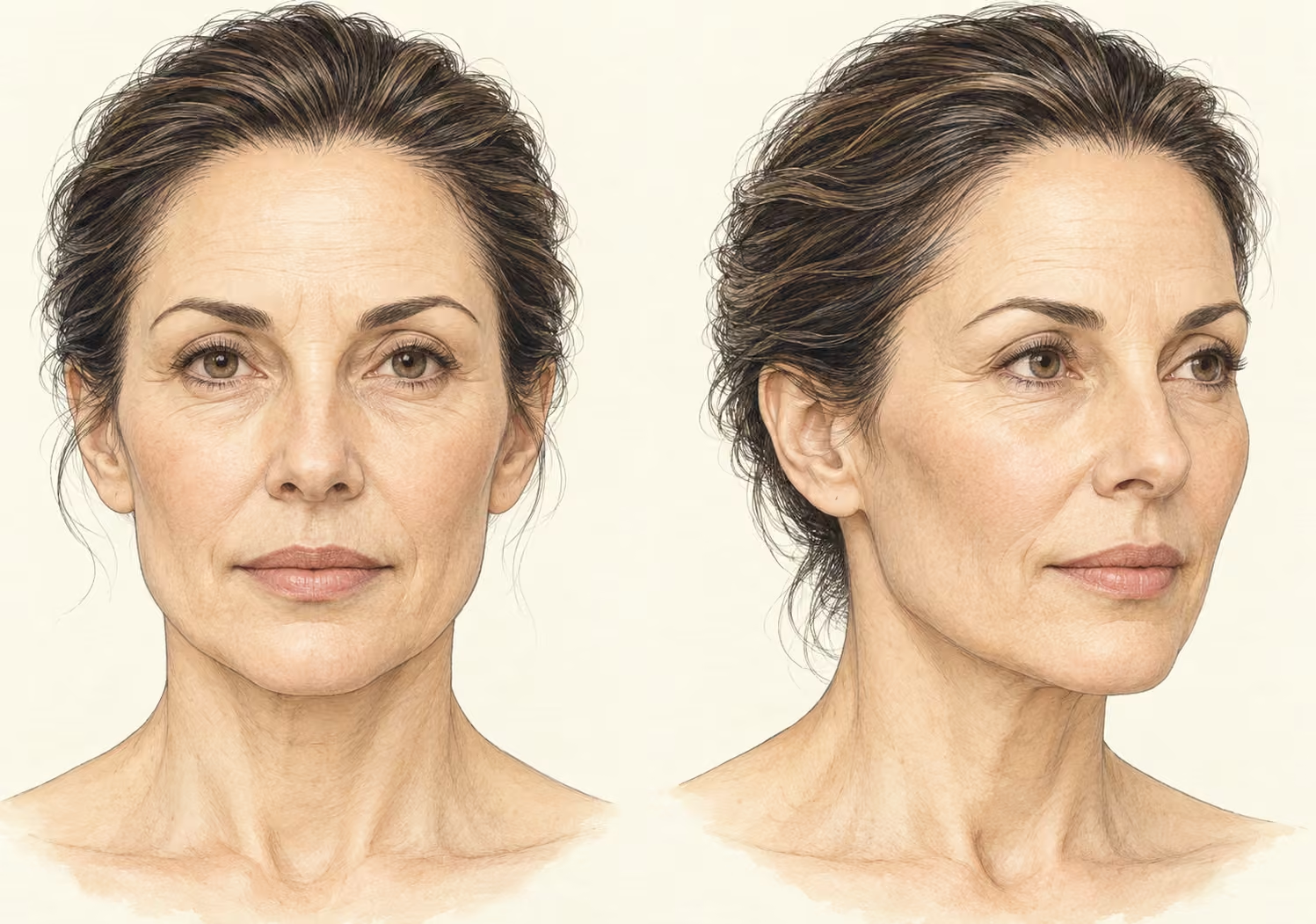
Ask for assessment from both front and side views and an explanation of how a change in brow position relates to forehead height. If an endoscopic approach is proposed, discuss the fixation plan and why it is preferred over an open approach for your anatomy. The same plan will not suit every face.